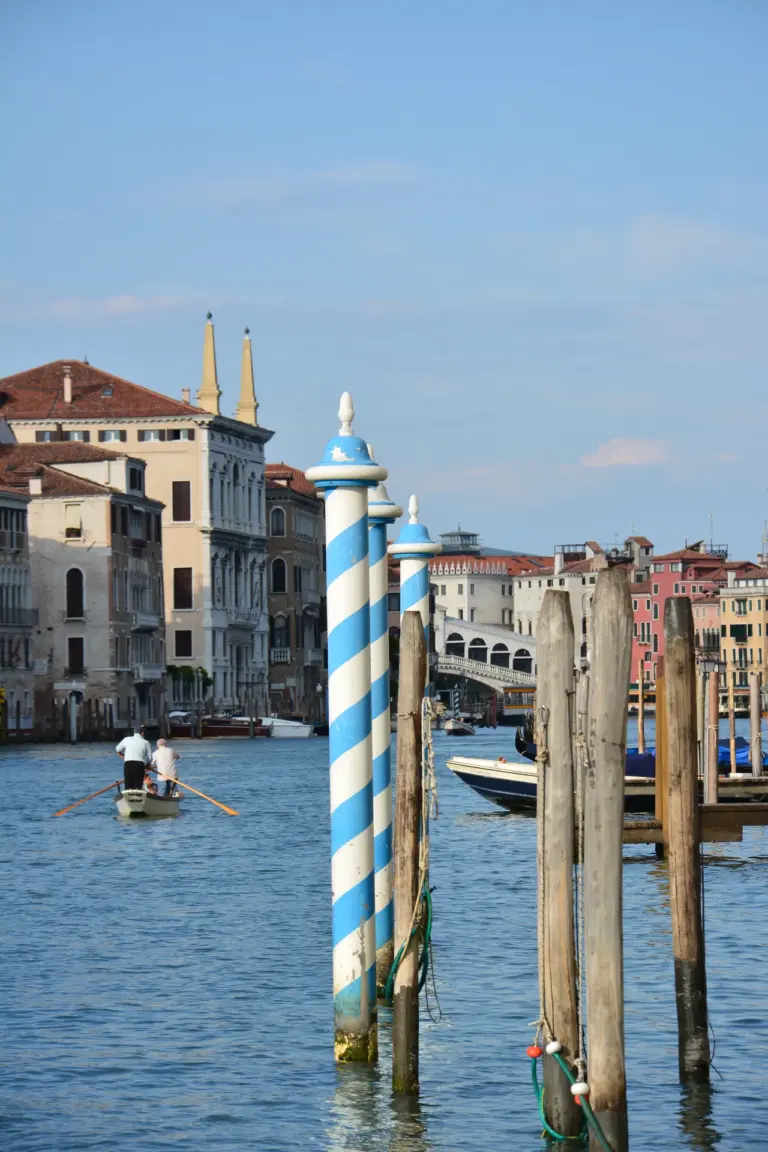
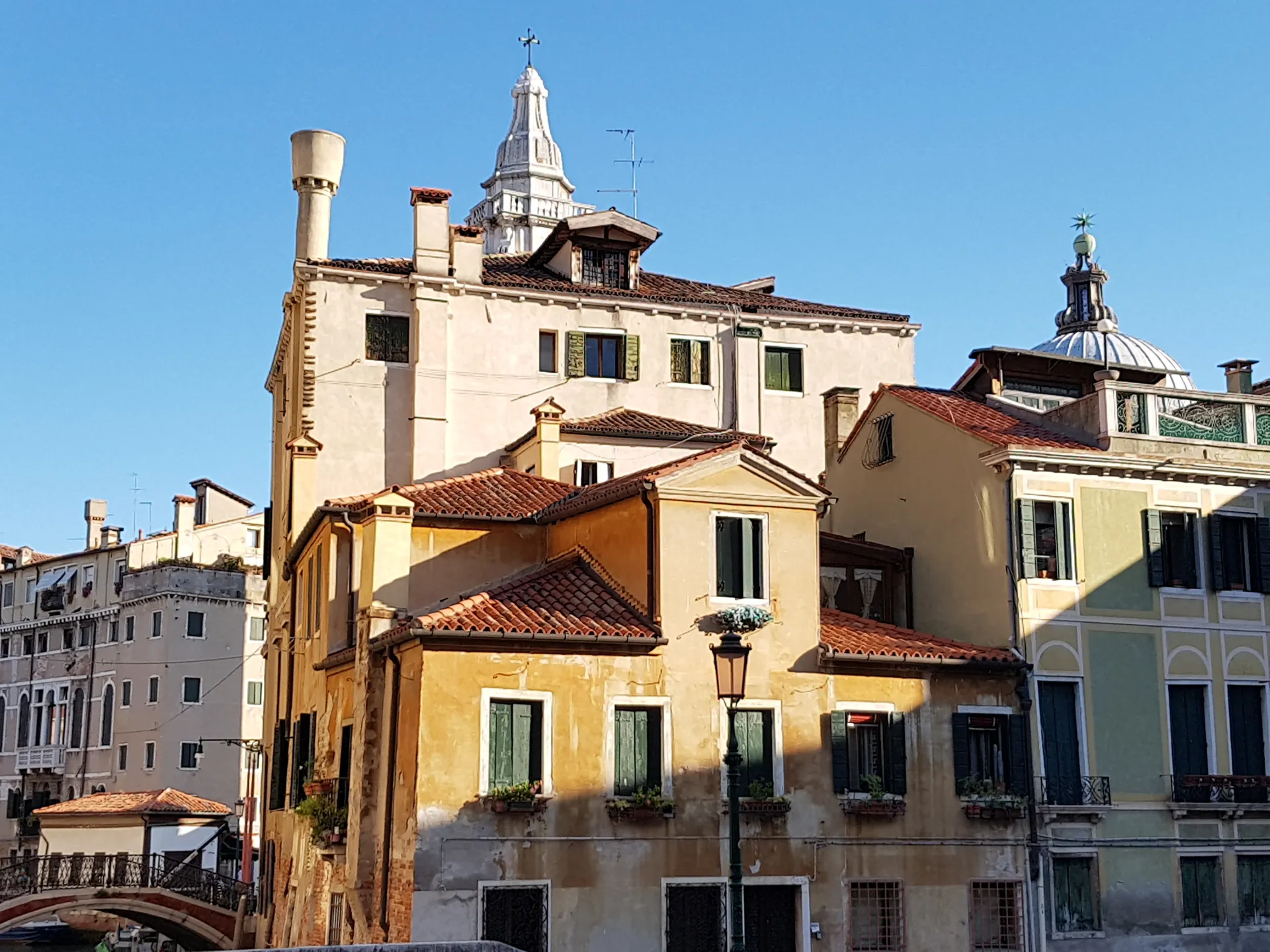
Where to stay in Venice depends less on a famous address than on matching a sestiere to how you arrive, how much you want to walk and how quiet you like your evenings: San Marco and San Polo put you in the center, Cannaregio and Santa Croce are close to the train and the airport bus, Castello and Dorsoduro feel more residential. Here is how we help guests choose a base in Venice, Italy.
What are the sestieri of Venice and how do they differ?
The historic city is divided into six districts, the sestieri, created around 1170 and still part of every address today.
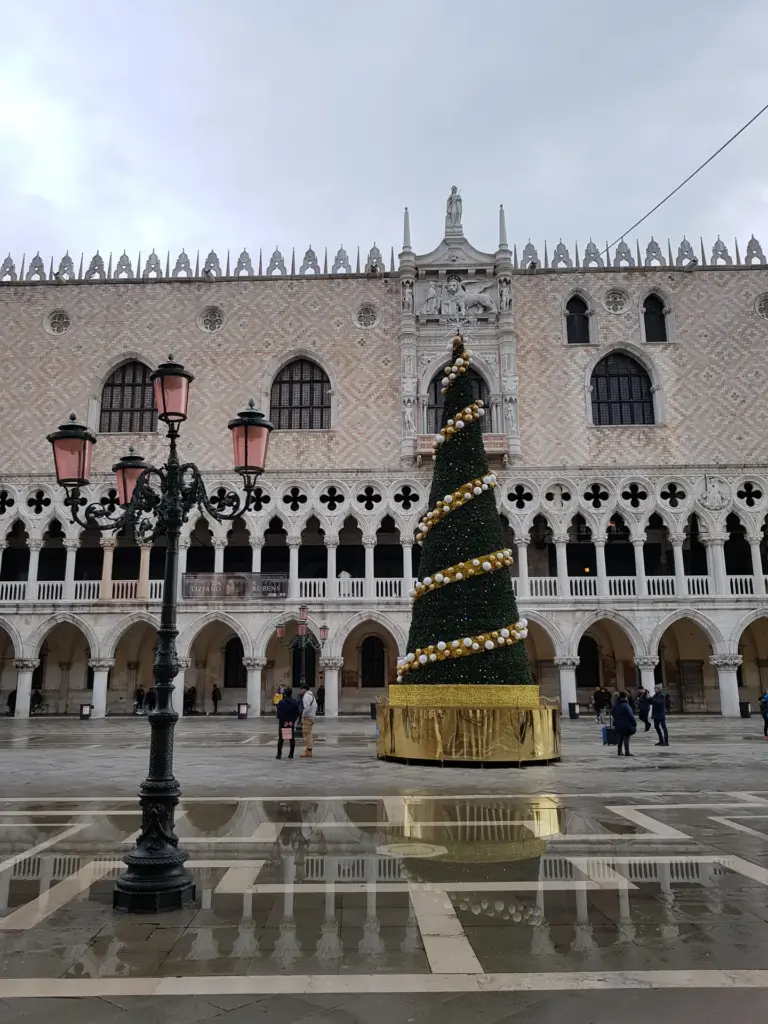
- San Marco: the heart of the city, around St Mark’s Square, the Doge’s Palace and the streets leading to Rialto. Everything is close, but daytime crowds are dense.
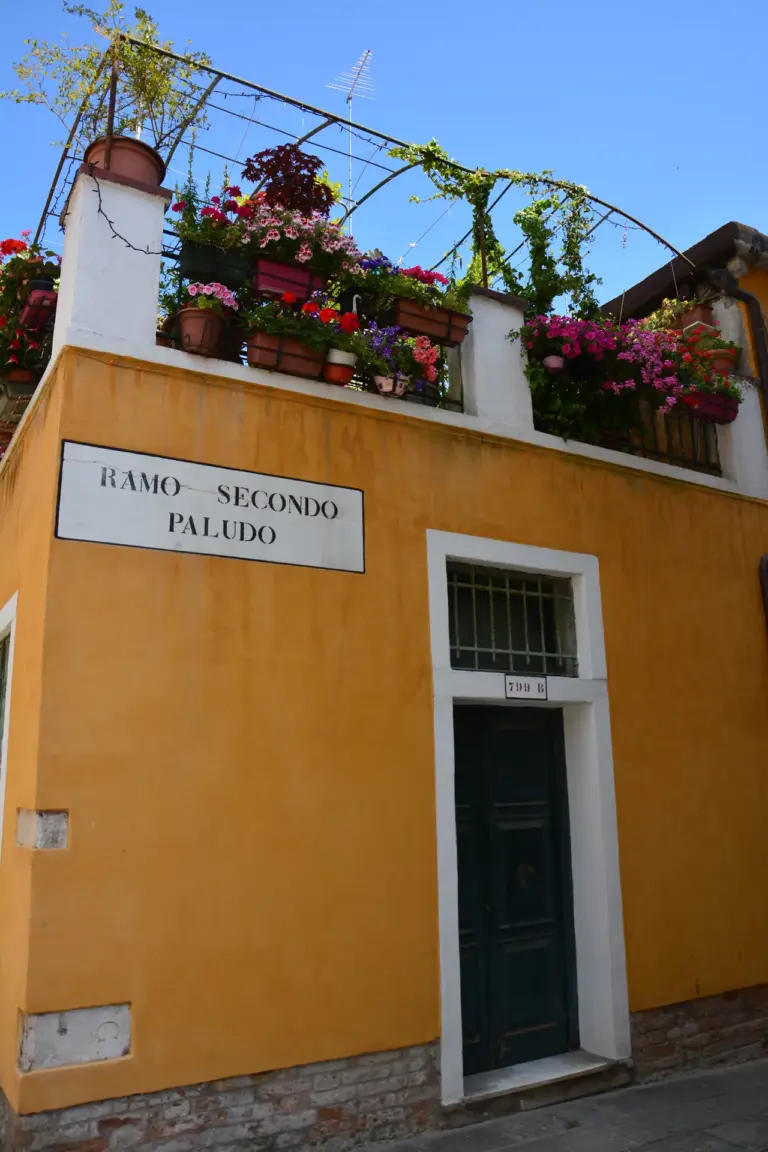
- Castello: the largest sestiere, stretching east from San Marco to the Arsenale and Sant’Elena. Near San Marco it is busy; further east it becomes a neighborhood of laundry lines, local shops and gardens.
- Cannaregio: from the railway station to the Jewish Ghetto and the Fondamenta della Misericordia, with long canal-side walks and a lively local evening life.
- Dorsoduro: between the Grand Canal and the Zattere, home to the Gallerie dell’Accademia, the Salute and the university, with sunny quays on the Giudecca Canal.
- San Polo: the smallest and most central sestiere, around the Rialto Market and the Frari, full of narrow calli.
- Santa Croce: next to Piazzale Roma, the bus and car terminal; its inner part, around Campo San Giacomo dall’Orio, is quiet and residential.
Across the water, Giudecca offers views back toward the city and a calmer pace, with every trip depending on the vaporetto. The Lido is a long barrier island with beaches, cars and buses: pleasant in summer, but further from the sights.
How should your arrival shape where you stay?
Most travelers arrive at Santa Lucia station, in Cannaregio, or at Piazzale Roma, in Santa Croce, where the airport bus stops after about 20 minutes. From Marco Polo airport you can also reach the city by water bus or by water taxi, a third-party service run by licensed operators. There are no cars in the historic center: from the station or the bus terminal you continue on foot or by vaporetto. Before choosing, picture the route from your arrival point to the door, and with how much luggage.
Is it better to stay near San Marco or in a quieter area?
A base near San Marco saves walking time, but the area is at its most crowded from mid-morning to late afternoon. Cannaregio, eastern Castello or Dorsoduro usually mean quieter evenings and a feel for everyday Venice, with the main sights still within walking distance. A few points are worth checking:
- Bridges: almost every route crosses several, most of them with steps. With heavy suitcases, being near a vaporetto stop can matter more than being central.
- High water: from autumn to late winter, the lowest areas, starting with St Mark’s Square, can get wet around high tide.
- Families and guests who prefer fewer steps should look at the route from the nearest water bus stop, not only at the map.
How can Venice Stay Design help you choose?
With Venice Stay Design, Daniela Zarpellon, a licensed tourist guide, helps you before your trip: a short online call, then guidance on the sestiere that suits your plans, how to move from your arrival point, the pacing of your days and what to see or skip. Daniela gives guidance only: you book your accommodation and any third-party services directly, with the providers you choose. Many guests then begin with a private orientation tour to understand how the city works, and our Venice travel tips cover vaporetti, crowds and high water.
Planning your stay? Request a free, no-obligation tailor-made quote – reply within 24 hours.